Companies from a wide range of industries launch IPOs year after year. The initial public offering (IPO) is considered one of the most important milestones in the history of a company. In addition to the pursuit of fresh capital and the resulting transition from a private to a publicly traded company, the newcomers to the stock market also hope to attract media attention. Below you will find a brief introduction to the topic of IPOs and then an overview of the companies that have gone public to date. most spectacular and influential IPOs in history.

The most important in a nutshell
- An initial public offering (IPO) is when a company that has not yet been listed goes public
- Saudi Aramco's IPO is the world's largest IPO of all time to date, with an issue volume of USD 25.6 billion in December 2019
- The dominance of Asian companies underlines the economic importance of large energy, technology and financial companies and, not least, the growing role of Asian markets in the global financial system
What is an IPO?
An IPO is when a previously unlisted company goes public. A distinction is made between two Variants:
- Listing: Securities are admitted to trading for the first time. It should be noted that no new share certificates will be issued, nor will there be any fundamental changes to the shareholder structure.
- New issue (Initial Public Offering, IPO): In an IPO, the shares are offered to the public for trading.
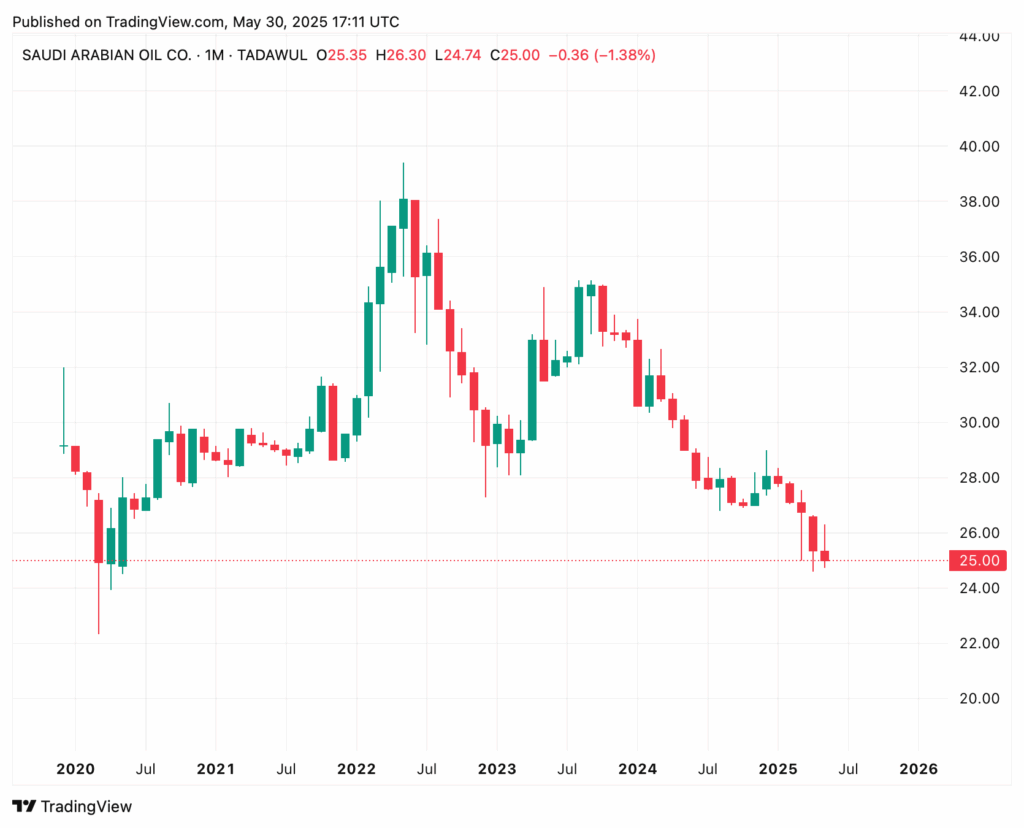
1. Saudi Aramco (ISIN: SA14TG012N13)
Saudi Aramco's IPO took place on December 5, 2019. The company was valued at a total of 25.6 billion US dollars, which is also the previous record. The energy company acts as Saudi Arabia's state-owned oil and gas company
and operates the largest oil reserves in the world.
2. Alibaba Group (ISIN: KYG017191142)
The Alibaba Group successfully celebrated its stock market debut on September 18, 2014. With a valuation of 21.8 billion US dollars, the IPO is the second largest IPO in history to date.
At the time, the IPO was the largest IPO of all time. The Chinese technology and e-commerce company has a broad range of business activities, from e-commerce (online retail) to financial services (Ant Group) and cloud computing (Alibaba Cloud).

3. SoftBank Corp (ISIN: SFTBF)
Japan's SoftBank, headquartered in Tokyo, ranks third among the largest IPOs of all time. The IPO took place on December 10, 2018, with a total valuation of 21.3 billion US dollars.
However, SoftBank is not a financial institution as the name might suggest. The company offers numerous communication services and is active in e-commerce.

4. NTT Mobile Communication Network (NTT DoCoMo)
NTT Mobile Communication Network (NTT DoCoMo) is a Tokyo-based telecommunications company. In October 1998, NTT DoCoMo celebrated its stock market debut with an issue volume of 18.1 billion US dollars.
It is worth noting that the company announced its stock market debut during the Asian crisis in 1997. At that time, NTT held around 57 percent of the Japanese mobile communications market.
Notice: NTT DoCoMo shares have not been listed on the stock exchange since 2020.
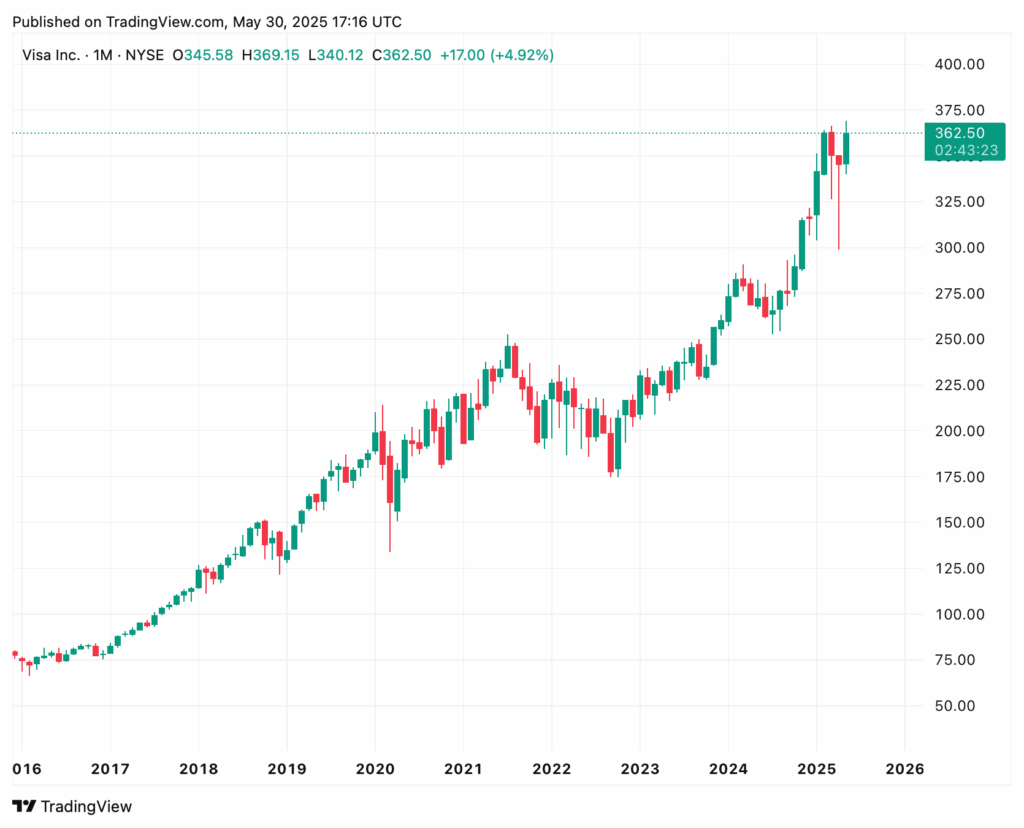
5. Visa (ISIN: US92826C8394)
The credit card provider Visa went public on March 18, 2008 and was valued at 17.4 billion US dollars at the time, which also corresponds to fifth place in the ranking of the world's largest IPOs.
Visa itself focuses on the processing of debit and credit card payments. Visa processes around 260 billion transactions in its network around the world. The service itself is used in over 200 different countries and at more than 61 million accepted by companies as a means of payment.
6. AIA Group (ISIN: HK0000069689)
The Hong Kong-based AIA Group is an investment and insurance company. The IPO took place on October 21, 2010. The company was valued at a total of 17.8 billion US dollars, which corresponds to sixth place in the ranking of the most valuable IPOs around the world. The company itself offers numerous financial services such as insurance in 18 different countries in the Asian region.

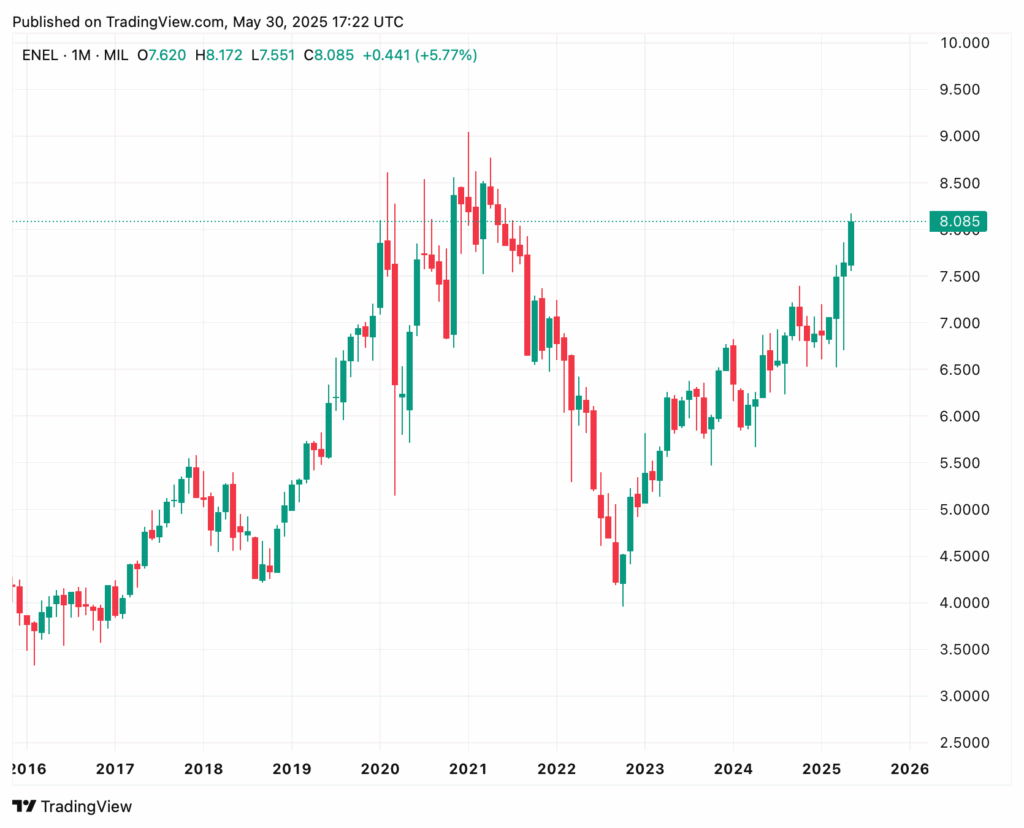
7. Enel SpA (ISIN: IT0003128367)
The utility company Enel SpA, based in Italy, was able to raise a total of 16.4 billion US dollars on November 1, 1999. The original target was to raise around 19 billion US dollars. Nevertheless, the company succeeded in becoming one of the largest IPOs of all time. The company has around 61 million customers around the world (as of 2023). The company is active in 28 countries, including its home market of Italy, Spain, Brazil, Chile and Colombia.
8. Meta Platforms Inc (formerly Facebook) (ISIN: US30303M1027)
The Metas (formerly Facebook) IPO took place on May 17, 2012. A total of 16 billion US dollars was raised, making the IPO the eighth largest in the world to date.
Meta Platforms is now regarded as a leading company, particularly in the field of social media such as Facebook, Instagram and WhatsApp.

9. General Motors (ISIN: US37045V1008)
The car manufacturer General Motors (GM) made its stock market debut on November 17, 2010 and raised a total of 15.8 billion US dollars. At the time, this was also one of the largest IPOs of a US company. General Motors also includes the Chevrolet, GMC and Cadillac brands.

10. ICBC (ISIN: CNE1000003G1)
The Industrial and Commercial Bank of China (ICBC Bank) went public on October 20, 2006. A total of 14 billion US dollars was raised. ICBC Bank, based in Beijing, offers numerous financial products and services to private and corporate clients in Asia, Europe, North and South America and Oceania.

Summary
Saudi Aramco's IPO is the largest IPO in the world to date in terms of issue volume (USD 25.6 billion). It is also worth noting that only three US companies - Visa (USD 17.4 billion), Meta (USD 16 billion) and General Motors (USD 15.8 billion) - are represented in the top 10 largest IPOs in the world. Particularly noteworthy are the IPOs from the Asian region: China (Alibaba and ICBC) and Japan (SoftBank and NTT Mobile Communication Network).
The latter IPOs underline the economic importance of large energy, technology and financial companies and, not least, the growing role of Asian markets in the global financial system.